
Prediabetes Is Your Second Chance
A prediabetes diagnosis can be a stressful revelation, but millions of people receive this diagnosis every year. Many, however, do not take the issue seriously as prediabetes can be asymptomatic and may not impact quality of life. Prediabetes occurs when blood sugar levels are higher than normal. The markers, however, are not high enough to be classified as type 2 diabetes, but the risk is significant. Prediabetes is the beginning stage of insulin resistance. The body does not produce enough insulin to manage blood sugar, or is starting to resist the effects of the hormone. The diagnosis is a second chance to take control of blood sugar levels, preventing type 2 diabetes, heart disease, and other dangerous consequences.
Should you be worried?
A prediabetes diagnosis must be taken seriously. Statistics show that, on average, prediabetes can develop into type 2 diabetes within 5 years. Most individuals, however, can take slightly longer to progress to this stage. This window provides prediabetic patients with a chance to prevent type 2 diabetes and even reverse prediabetes. Insulin produced by the pancreas is responsible for breaking down glucose in the bloodstream. With high blood sugar, insulin production cannot keep pace. Eventually, the body may become insulin resistant. Some signs can develop, such as increased hunger or thirst, frequent urination, irritability, neuropathy, or blurred vision. Anyone with the condition should be concerned, but can feel confident that early intervention can yield results.
Understanding your blood sugar results
Prediabetes and diabetes are commonly diagnosed using a hemoglobin A1c (HbA1c) blood test. This test shows, on average, how much glucose is present in the blood over the last 90 days. Normal HbA1c levels are considered 5.7% and below. Prediabetes ranges from 5.7%-6.4%. Anyone with 6.5% or higher is considered a type 2 diabetic (T2D). Even a prediabetic diagnosis on the lower end of the scale should be a sign to take action. Blood sugar control is crucial at this stage and can lay the groundwork for prevention and long-term health outcomes.
What gets measured gets managed
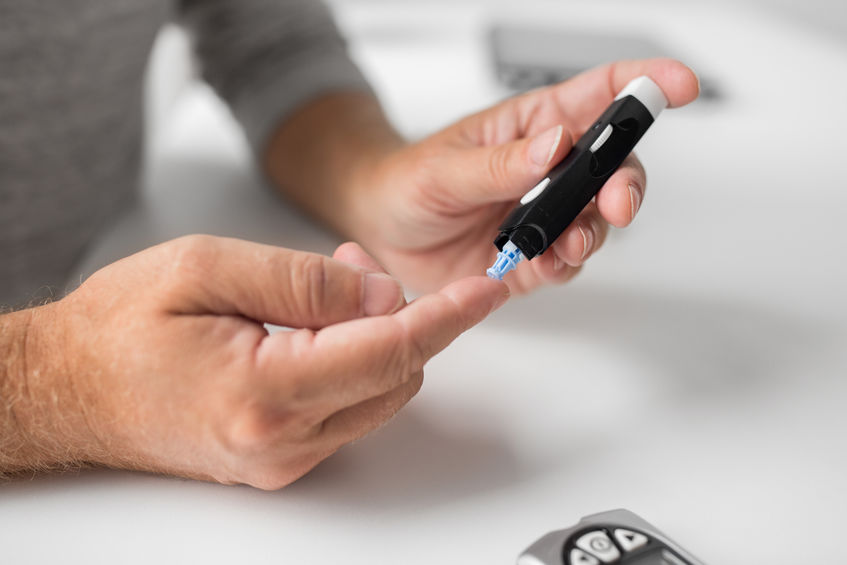
Perhaps the biggest breakthrough in diabetes management is the ability to easily track glucose levels. Blood sugar monitors are cost-effective and easy to obtain. These use a simple finger prick of blood on a strip to assess glucose spikes after meals or when fasting. These measurements can help individuals determine what foods, drinks, or activities negatively impact blood sugar. Some individuals go a step further, investing in continuous glucose monitoring (CGM) devices to track in real time. Measuring blood sugar often is the most effective way to understand possible triggers and take control consistently.
It starts with your plate
Poor dietary choices are often the primary cause of prediabetes. Food with high sugar content, high carbohydrate foods, and ultra-processed foods impact blood sugar. As these foods are tastier, cheaper, and easily accessible than healthier options, the risk for prediabetes is significant. Making healthier choices, including preparing food at home, is the best way to manage blood sugar levels. Adopting diets like the Mediterranean and ketogenic diets, which focus on proteins, fats, and minimal carbohydrate intake, are seen as effective ways of managing prediabetes.
Exercise for maximum insulin sensitivity
Consistent exercise is one of the most effective ways to manage blood sugar. The body requires glucose during physical activity for energy and muscle activation. Exercise allows the body to use excess glucose stores while regulating hormones. Resistance exercise, in particular, helps with insulin sensitivity. Studies show that simply walking after meals can improve blood sugar control. Allocating time for resistance and aerobic exercise 3-5 times weekly lowers glucose without making the body more insulin resistant. The goal is to find the right balance. High-intensity exercise for long periods can increase stress levels, which may impact blood sugar control.
Making sleep a priority
Getting high-quality sleep at night is an effective way to take control of blood sugar. Sleep deprivation increases cortisol levels, which in turn spikes blood sugar. Disrupting sleep patterns also impacts the hunger hormones ghrelin and leptin, leading to increased appetite and carbohydrate cravings, especially at night. Studies show that chronic sleep deprivation increases type 2 diabetes risk by 64%, even in seemingly healthy individuals. The goal is to aim for high-quality sleep of at least 7 hours as often as possible.
Keeping stress in check
Stress is an overlooked risk factor for prediabetes and type 2 diabetes. Chronic stress spikes cortisol levels, which places the body in a heightened, highly inflamed state. Blood sugar levels spike to give the body additional energy to address the perceived threat. Over time, the pancreas can struggle to meet insulin demands. Individuals are also more likely to engage in harmful behaviors that spike blood sugar, like alcohol consumption and emotional eating. Stress disrupts sleep patterns, which limits physical activity, causing a difficult cycle to break. Controlling blood sugar may mean identifying stressors, seeking help, and practicing mindfulness activities as often as possible.
Prediabetes to prevention is possible
These changes, done consistently over time, can lower HbA1c levels to acceptable levels. The goal is to remain committed to controlling blood sugar while monitoring habits that can impact progress. Moving from prediabetes or prevention can start with an annual wellness visit (AWV) or regular checkups with a doctor. These checks can look at glucose levels, endocrine function, and cardiovascular health, which are all involved in diabetes management. A family doctor can also recommend supplements proven to lower blood sugar or help with medical intervention when necessary. With early checks and swift action, prediabetes reversal and type 2 prevention are possible.