Not Your Typical Diabetes Care
Affecting approximately 11.6% of the US population, diabetes is a chronic illness that is difficult to manage. Individuals with diabetes cannot produce insulin or fail to produce the insulin required to manage high glucose levels. Significantly high glucose levels lead to type 2 diabetes, resulting in both immediate and future health problems. Doctors have always treated diabetes with standard medication and lifestyle recommendations, but the disease continues to impact quality of life. Technology, science, and new frontiers in medicine have taken notice. As a result, advancements in diabetes care are now available. Individuals and families who must manage the disease should stay up to date to receive the best possible care.

The rise of GLP-1
Perhaps the biggest and most popular breakthrough in diabetes management is the rise of glucagon-like peptide-1 (GLP-1) receptor agonists. GLP-1 falls under the umbrella of incretin hormones created in the lower intestine and gut. Research has revealed that GLP-1 plays a critical role in insulin release and in decreasing glucagon levels, which lowers blood sugar levels. GLP-1 receptor agonists also help improve cardiovascular health, protect kidney function, and support weight management, all of which are closely related to diabetes management. Injectable GLP-1 is growing in popularity as a first-line treatment, but shortages are common because the medication is widely used in weight-loss settings. GLP-1 is also combined with other peptides like gastric inhibitory polypeptide (GIP) and sodium-glucose cotransporter 2 (SGLT2) inhibitors to improve diabetes management.
Advancements in insulin delivery
Exogenous insulin, often administered through injections or pumps, is a required practice for individuals with type 1 diabetes (T1D) and some type 2 diabetes (T2D) patients. Medication adherence is a significant challenge, with some individuals requiring insulin several times daily. Others struggle with injections and are looking for ways to limit the use of needles. There are now different types of automated insulin delivery (AID) devices that automatically dispense insulin at predetermined intervals. These are patches and pumps attached to the skin and connected to an insulin-filled chamber. These devices are flexible, convenient, and improve adherence. New, smaller devices that adjust doses in real time are in production, making diabetes management even easier in the future.
The power of regenerative medicine
By injecting stem cells or platelet-rich plasma (PRP), doctors can promote healing or even regenerate new tissue and cells. While stem cell therapy is typically used for musculoskeletal injuries, the treatment may also offer benefits in diabetes management. There have been initial studies and successful cases of stem cell therapy used to treat, or even reverse, the effects of diabetes. Research and technology continue to advance, but initial results are promising, especially for individuals with severe forms of diabetes. Families should be aware of the benefits of regenerative medicine and future developments that can support long-term management.
Smart technology for all
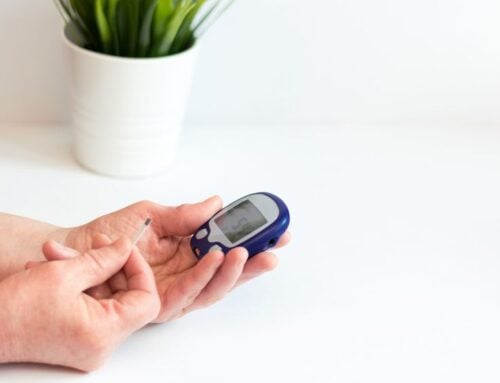
Different types of technology have been essential in diabetes management and continue to push the space forward. Apps and programs powered by artificial intelligence (AI), for instance, help predict symptoms and other diabetes challenges. These tools can formulate treatment plans, optimizing care. Continuous glucose monitoring (CGM) and insulin pens for children enable parents to remotely monitor the disease, ensuring consistency of care. New integrated systems combine CGM with insulin pumps, adjusting doses with minimal intervention. Technology reduces the risk of severe complications, improves medication adherence, delivers information faster, and improves the overall quality of life.
The tide is changing
Managing diabetes was once a challenging, complicated process. Now, advancements in treatment make care accessible for all. Technology has been instrumental in glucose monitoring, insulin patches, and pumps. Doctors can recommend the best devices that ensure consistent, automated insulin release with real-time feedback. The future also looks bright with AI and regenerative medicine. Work with a doctor or diabetes specialist to learn how families can achieve effective diabetes care.