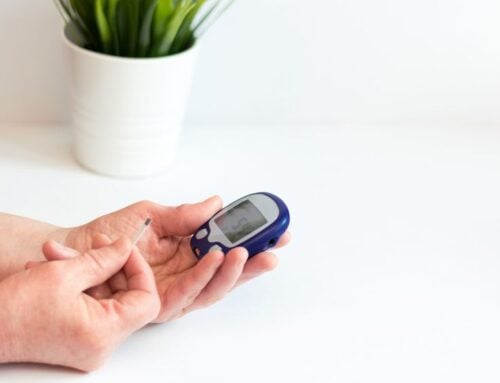
The Rising Risk Of Diabetes
Chronic diseases are on the rise, with diabetes standing out as a leading issue impacting Americans. Approximately 11.6% of the population has diabetes, an endocrine disease caused by the body’s inability to manage blood sugar effectively. An individual with diabetes will have consistently abnormal levels of glucose in the blood. As a result, the pancreas cannot make enough insulin, which is required to break down blood sugar. Sometimes, blood sugar does not respond to the effects of insulin. There are different types of diabetes, with type 2 diabetes (T2DM) being the most common. Diabetes is a lifelong disease that can be managed with medication and treatment. Families concerned about diabetes should monitor for potential signs and take action as soon as possible.

Why you should worry
Official reports show that 11.6% of Americans have diabetes, but the number may be significantly higher. Many individuals go undiagnosed or have prediabetes, which can eventually form into the disease. Diabetes, if left untreated, can lead to a series of health complications. For instance, diabetes significantly increases the risk of cardiovascular disease. Other common consequences include nerve damage, kidney failure, retinopathy, and poor blood flow to the feet. Some studies link depression, gum disease, infertility, and Alzheimer’s to diabetes. Individuals should be concerned, as the symptoms may be subtle or not apparent at all. Understanding these small but significant changes can lead individuals to see out an initial checkup, where a blood test can confirm if diabetes is present.
A thirst that never quits
Heightened thirst is a common symptom and warning sign of prediabetes or diabetes. Note, individuals with prediabetes have blood sugar levels higher than what is considered healthy but not high enough to be considered diabetes. Individuals with either condition tend to drink water more frequently. When blood sugar levels are too high, the body attempts to eliminate the excess sugar through urination. As a result, individuals tend to feel more dehydrated and experience increased thirst, even when drinking water frequently. Pay attention to how often a family member drinks water, especially when sedentary.
Watch out for the bathroom connection
Increased water consumption means frequent trips to the bathroom, but this is not the only reason. Excess glucose in the blood means the kidneys work overtime to flush the system. More urine is produced, meaning increased bathroom breaks. Take note of any sudden change in urination patterns. Individuals with diabetes or kidney issues will also notice sleep disruptions, especially at night, when the bladder needs to be emptied.
Unexplained weight changes
Diabetes can have effects on weight, with some individuals experiencing rapid weight gain or loss. As the body cannot utilize sugar efficiently, excess sugar is stored as fat, particularly in the midsection. Some individuals may gain weight as a result. The opposite can also be true, as rapid weight loss is a common symptom. If the body cannot use insulin, fat and muscle are used instead for energy production. These changes can be sudden and usually happen with no significant changes to lifestyle.
Look at your skin
Another early sign of diabetes is the appearance of dark, velvety patches in body folds, such as the neck, armpits, and groin area. These changes, called acanthosis nigricans, are also common in individuals with obesity or who use certain drugs. High insulin levels can affect skin cells, leading to the formation of acanthosis nigricans. Sometimes, soft skin tags form in the same area. Skin changes are a common sign of diabetes and should be taken seriously.
Experiencing blurred vision lately?
For people with diabetes, blurred vision can happen suddenly or after eating certain foods. This is a symptom of retinopathy, a common complication of diabetes. High blood sugar can cause the lens of the eye to swell, leading to blurred vision. Another sign is a sudden shower of black specks called floaters that come and go depending on blood sugar levels. If a child or adult in the family has vision complaints, consider a blood test check along with an eye exam.
Don’t overlook these signs
Diabetes can be asymptomatic at first, especially in individuals with blood sugar levels near what is considered acceptable. At the same time, small signs and symptoms will show, if only for a moment. Ignoring these signs can delay what is a treatable and manageable disease. During a visit to the family doctor, be sure to mention any concerns. From there, making changes to diet, exercise, sleep, and stress management can have a powerful, positive effect. The medical team can recommend supplements or medication, if needed. With the right approach, a better quality of life is possible.