
Get Your Eye On Your Cholesterol?
Cardiovascular health is a major concern for American adults. As the leading cause of death in America, cardiovascular disease prevention is necessary to live a long, healthy life. Cholesterol management plays a critical role in cardiovascular disease prevention. Reading a standard lipid panel and understanding how those numbers equate to heart health risks, however, can be challenging. Watching these values can guide how an individual approaches treatment, lifestyle changes, and general heart health. Patients also feel more empowered to work with healthcare providers, potentially reducing the risk of heart attack and stroke later in life.
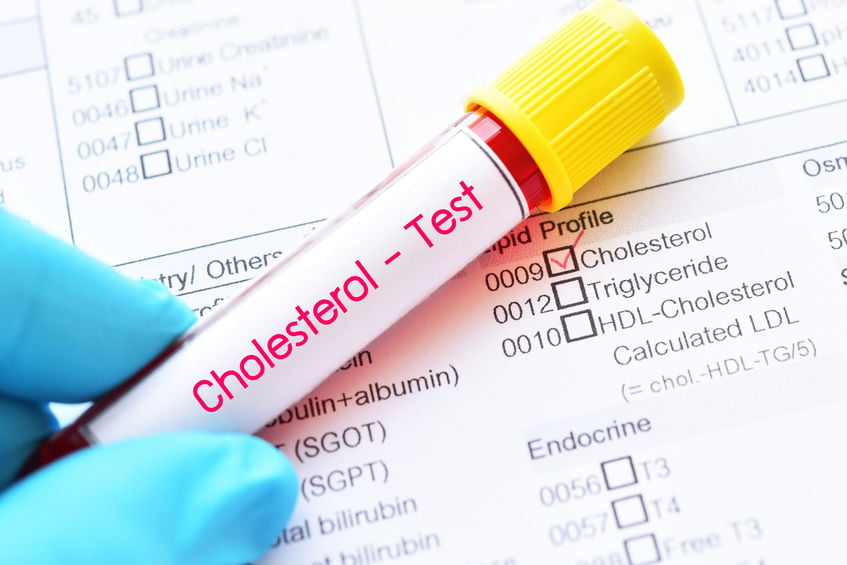
What you should know about cholesterol
A common misconception is that cholesterol is bad. Cholesterol is an essential substance in the cells that helps make hormones, optimizes vitamin D, and even improves digestion. Most cholesterol comes from the liver, but can also be derived from food and external sources. People who produce and consume enough cholesterol have high energy levels and optimized hormones. At the same time, high levels can be dangerous. Cholesterol combines with specific proteins to produce lipoproteins, particles that transport cholesterol. Low-density lipoproteins (LDL) are known to accumulate in blood vessels, while high-density lipoproteins (HDL) help remove LDL and have additional health benefits. A clear understanding of LDL and HDL builds strategies to manage heart health.
Your complete lipid profile
Doctors recommended a complete lipid panel every 4-6 years. Individuals with diabetes, obesity, a history of high cholesterol, or a higher risk of heart disease may need more frequent testing. Total cholesterol shows all the cholesterol present in the body, but that figure alone should not be taken as a sign of healthy cholesterol. The results are further broken down into HDL and LDL. Higher HDL levels often indicate better cardiovascular health, while higher LDL can be a warning sign of atherosclerosis and heart disease. High triglycerides, which measure fat particles in the blood, are also presented in the report and can contribute to cardiovascular risk.
Ideal target ranges
HDL cholesterol targets differ between men and women. Doctors recommend levels above 40 mg/dL acceptable for men and above 50 mg/dL for women. LDL levels of 100 mg/dL and below are ideal in healthy individuals. Doctors may suggest levels of 70 mg/dL or lower for patients with heart disease, diabetes, or high-risk factors. The ideal triglyceride levels stand at 150 mg/dL or lower, with 100 mg/dL or lower recommended for high-risk individuals. These targets can change depending on long-term health goals. Patients should note that there are additional factors that influence cholesterol levels. For instance, some individuals are genetically predisposed to produce abnormally high cholesterol despite diet and exercise. Diet, lifestyle, obesity, and smoking also impact cholesterol levels.
Treating and monitoring your cholesterol
Cholesterol levels and cardiovascular disease are closely related. Atherosclerosis represents a buildup of cholesterol deposits and plaque in the arteries. Ruptures of these plaques can lead to heart attacks and strokes. Managing cholesterol is vital for long-term heart health. Lifestyle modification including exercise, a healthy diet, smoking cessation, and stress management, can improve cholesterol markers. For severe cases, doctors may recommend medication such as statins or cholesterol absorption inhibitors to lower LDL levels. Medication depends on multiple health factors, and the medical team will create a custom solution to meet these needs. Cholesterol, while important, represents part of a larger picture. Family history, inflammation, type 2 diabetes, hypertension, and lifestyle choices contribute to a healthy heart.
Know your cholesterol numbers
Cholesterol is sometimes overlooked, but is essential to long-term cardiovascular health. A comprehensive lipid profile reveals both healthy and potentially unhealthy forms of cholesterol and triglyceride levels. The report will provide acceptable ranges taking into account factors such as age, weight, and preexisting conditions. Abnormally high LDL signals heart disease risk and should be taken seriously. Work with a doctor to control these markers for long-term health. Combining effective treatment with diet, exercise, and lifestyle adjustments make cholesterol a benefit, and not a risk.